Pairs with the Crisis Response Playbook — a ready-to-use strategy tool. Included in the Crisis Response Casebook →
“What is one more quarter of not acting worth?”
On November 15, 2022, 3.5 million people lined up online to buy tickets to Taylor Swift's Eras Tour, and Ticketmaster's presale crashed within an hour.4 By January, the company's CFO was sitting in a Senate hearing room being castigated by senators of both parties at a three-hour session titled 'That's the Ticket.'4 It looked, in the moment, like the spark that would finally bring the regulators down on the most hated middleman in entertainment. It wasn't. The regulators were already there - they'd been there for years - and the company knew it.
The official story is that the Swift fiasco caused the antitrust lawsuit, the DOJ sued to break Live Nation up, and the company settled and the matter ended. Almost every beat of that is wrong. The investigation predated Swift, the breakup never happened, and the settlement settled almost nothing - because the people Live Nation most needed to make a deal with weren't at the table.
The crisis didn't start in 2022. It started with a broken promise.
When Live Nation and Ticketmaster merged in January 2010, the DOJ cleared the deal but bolted on a leash: a ten-year consent decree barring the new company from retaliating against venues, forcing Ticketmaster to license its platform to rival AEG and to divest its Paciolan ticketing business.2 The promise was simple - own both halves of the live-music business, but don't use one to bully the other. Live Nation broke it. In December 2019 the DOJ found the company had been conditioning its concerts on venues using Ticketmaster - exactly the conduct the decree forbade - and instead of letting the leash expire on schedule, the department tightened it: an additional five and a half years, an independent monitor, and an automatic $1 million penalty for every future violation.3
That is the detail that reframes everything. Live Nation didn't get caught by a viral ticketing meltdown. It got caught breaking the same rule twice, on the record, before Taylor Swift ever announced a tour. The Eras collapse simply handed the case a face, a villain, and a constituency of furious fans - the political fuel that turns a quiet compliance file into a front-page prosecution. By the time the DOJ and 29 states and D.C. filed their monopolization suit in May 2024, the company was not defending a clean record. It was defending a record of having already been found in breach.1
Settling the easy enemy
Here is where the crisis response gets clever, and where it fails. On March 9, 2026 - one week into the trial - Live Nation settled with the DOJ. Read the terms and you see a company that knew exactly which fight it could afford to lose. No admission of wrongdoing. No financial payment to the DOJ at all. And, critically, no sale of Ticketmaster. What Live Nation gave up was real but survivable: another eight years of the consent decree, a 15% cap on ticketing service fees, and the divestiture of exclusive booking deals at 13 amphitheaters.5 The thing the case had been filed to achieve - breaking the company in two - simply didn't happen.
“There is no financial component to the settlement with the DOJ.”5
That single sentence is the whole strategy. Live Nation's defining crisis response was not to fix the monopoly - it was to keep the monopoly and trade away everything cheaper than the monopoly. Cap the fees, shed a handful of amphitheater deals, accept more years of supervision, and keep the asset that prints the money. As a piece of legal triage it is hard to fault. The timing helps tell you why it worked: court filings later showed CEO Michael Rapino had spoken with President Trump in February 2026, before the deal, and the settlement came shortly after the antitrust division's aggressive enforcement chief, Gail Slater, was forced out by the Trump administration on February 12, 2026.9 Read into that what the record allows: the federal flank softened, and Live Nation took the opening.
The bluff the states refused to fold on
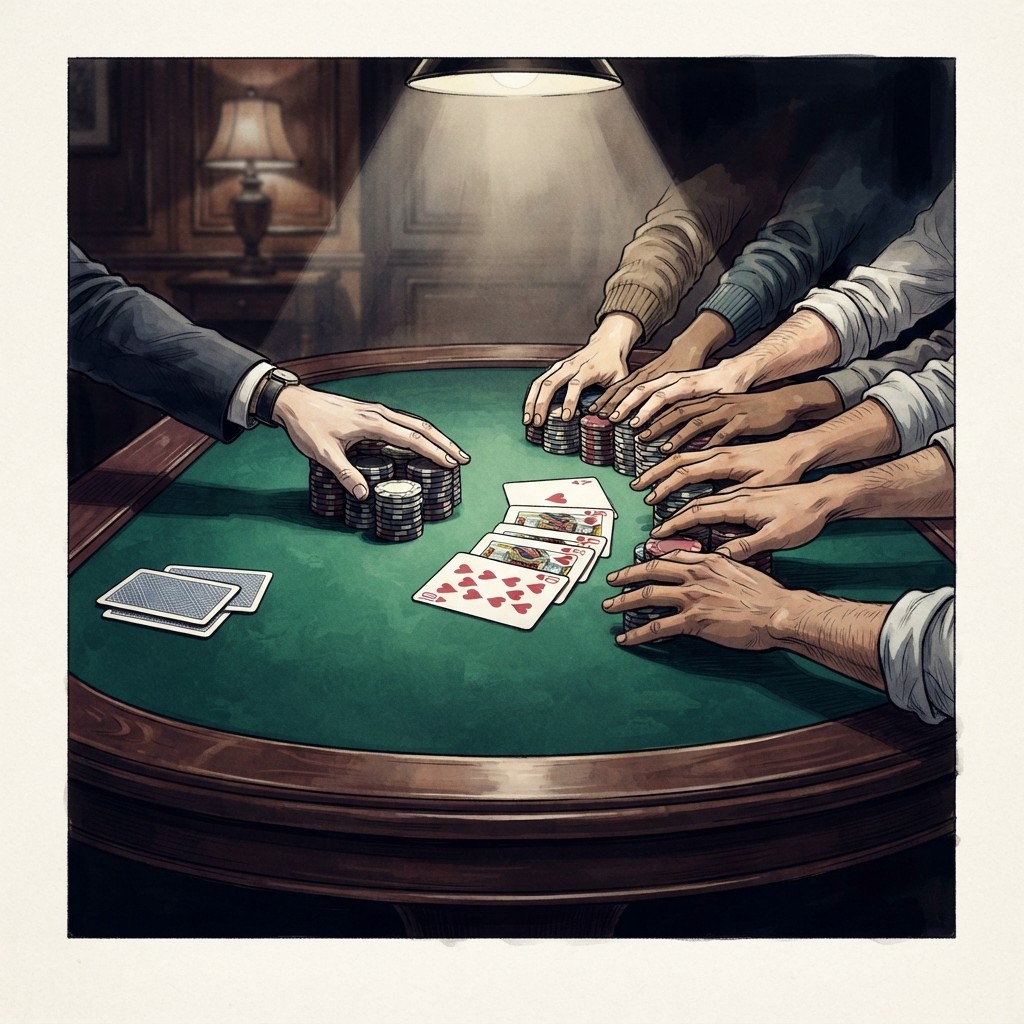
A settlement only ends a case if everyone suing signs it. They didn't. A coalition of 33 state attorneys general, led by New York's Letitia James, looked at the DOJ deal - no breakup, no money, no admission - and walked away from it. They kept the trial running in the Southern District of New York, before Judge Arun Subramanian, for roughly five weeks.7 And on April 15, 2026, a federal jury found Live Nation and Ticketmaster liable on every antitrust count put to it - monopolizing primary ticketing, illegal conduct in large amphitheaters - and found that Ticketmaster had overcharged consumers $1.72 per ticket across 21 states.6 The company that had avoided a verdict from the DOJ collected one from a jury anyway.
| The DOJ settlement (Mar 9) | The states' verdict (Apr 15) | |
|---|---|---|
| Forced Ticketmaster breakup | No | Remedies pending before judge |
| Admission of wrongdoing | No | Jury liability on every count |
| Money on the table | None to DOJ | $280M states' fund + per-ticket damages |
| Ongoing oversight | Decree extended 8 years | Structural remedies still to be set |
| Did the crisis end? | No | No - post-trial motions pending |
Look at what the settlement actually bought, then. A separate $280 million fund was created as part of the DOJ settlement to address states' damages claims—structured as a states' fund, not a payment to the DOJ, though some outlets reported it as a fine.510 Eight more years of regulatory supervision. A monopoly finding on the record. Structural remedies still in the hands of a federal judge.67 Live Nation negotiated peace with the one party willing to give it - and left the war running with the parties who weren't. The official line afterward held the door open: 'The jury's verdict is not the last word on this matter.'7 True. But it is a long way from the resolution the settlement was supposed to deliver.
Wasn't this actually a win?
The fair objection is that Live Nation got the only thing it truly cared about: it still owns Ticketmaster. A divestiture would have been existential; a verdict, a fund, and more oversight are line items. By that math, settling the federal case to dodge the breakup while eating a state-court loss is a trade any rational board would take - you keep the engine and pay the tolls. There's force in that. But it understates what the company spent and what it now carries. The verdict converts an alleged monopoly into a found one, which is exactly the ammunition future plaintiffs and future administrations need; the remedies are still to be determined by a judge who has just watched a jury agree the conduct was illegal; and the $1.72-per-ticket finding scales with volume in a business built on volume.6 A monopoly you keep under a court's eye, with a liability verdict in the record and remedies pending, is not the same asset it was before. Live Nation didn't escape the crisis. It chose which parts of it to defer.
Live Nation ran the textbook crisis play: identify the most dangerous claim - the forced breakup - and neutralize it with the plaintiff most able to drop it. It worked, against the DOJ. The flaw is structural and easy to miss until it costs you: a settlement binds only the parties who sign it. When a coalition is suing you - regulators plus states, or a class plus an agency, or a government plus private plaintiffs - cutting a deal with the friendliest counterparty doesn't end the exposure. It just hands the holdouts a cleaner shot, because now the strongest defendant has effectively conceded the fight is worth settling. Before you celebrate a deal, count who's left at the table - and ask whether the ones you didn't pay just got more reason to go to verdict, not less.
Live Nation handled its defining crisis the way a chess player sacrifices to protect the queen: give up the federal case, keep Ticketmaster, accept the fees cap and the extra years of supervision. It was a coherent plan, and it preserved the only piece that mattered. What it could not do was choose its opponents. Thirty-three attorneys general declined to be managed, took the same facts to a jury, and won the monopoly finding the company had spent a week of trial and a $280 million fund trying to avoid. The lesson is older than antitrust: a settlement is only as final as the list of names on it. Live Nation bought peace from the one enemy willing to sell it - and discovered, on April 15, that peace was never the same thing as the war being over.
When the official story and the real one diverge
Crisis Response Playbook
A playbook for a crisis already in motion: who decides, which plays fire on which trigger, and what gets said to whom. It replaces panic and the all-hands meeting with a pre-agreed sequence each person can run alone. Blank to pre-load before a crisis hits; filled as the worked example reconstructing the plays the story's team ran — and the ones they should have.
Included, filled and blank, in the Crisis Response Casebook. See the set → · Preview the blank →
Sources
Where this comes from — the filings, records, and reporting behind it.
- 1DOJ filed civil antitrust suit against Live Nation Entertainment and Ticketmaster LLC on May 23, 2024, joined by attorneys general of 29 states and D.C., alleging unlawful monopolization, exclusive dealing, and tying in violation of the Sherman Antitrust Act.
- 2Live Nation and Ticketmaster merged in January 2010 after DOJ clearance, with the combined company renamed Live Nation Entertainment and subject to a 10-year consent decree barring anti-retaliation and requiring Ticketmaster to license its ticketing platform to AEG and divest its Paciolan ticketing business.
- 3In December 2019, DOJ found Live Nation had violated the 2010 consent decree's anti-retaliation provisions by conditioning Live Nation concerts on venues' use of Ticketmaster; the parties agreed to amend and extend the decree for an additional five and a half years, with an independent monitor and automatic $1 million penalty per violation.
- 4The Ticketmaster Eras Tour presale on November 15, 2022 crashed within an hour after 3.5 million people registered; Ticketmaster subsequently canceled the public sale. In January 2023, the U.S. Senate Judiciary Committee held a bipartisan three-hour hearing titled 'That's the Ticket' and senators castigated Ticketmaster's CFO Joe Berchtold.
- 5Live Nation settled with the DOJ on March 9, 2026, one week into trial, with no admission of wrongdoing, no financial payment to DOJ, an eight-year extension of the consent decree, a cap on ticketing service fees at 15%, divestiture of exclusive booking agreements with 13 amphitheaters, and a separate $280 million fund to address states' damages claims. The settlement did not require sale of Ticketmaster.
- 6A coalition of 33 state AGs, led by New York AG Letitia James, rejected the DOJ settlement and continued to trial; on April 15, 2026, a federal jury found Live Nation and Ticketmaster liable on every antitrust count, including monopolization of primary ticketing markets and illegal conduct in large amphitheaters. The jury also found Ticketmaster overcharged $1.72 per ticket in 21 states.
- 7The trial was held in the Southern District of New York before Judge Arun Subramanian, began March 2, 2026, and lasted approximately five weeks before the jury delivered its verdict on April 15, 2026. Post-verdict, Live Nation stated 'The jury's verdict is not the last word on this matter' and indicated it would file additional motions.
- 8Trump and Live Nation CEO Michael Rapino spoke in February 2026—before the DOJ settlement—according to court documents. The DOJ settlement was reached shortly after Gail Slater, the antitrust division head known for aggressive enforcement, was pushed out of her role.
- 9Gail Slater was forced out by the Trump administration on February 12, 2026, after nearly a year running the DOJ antitrust division.
- 10The $280 million settlement fund was reported by at least one outlet as a fine, not as a states' damages fund created under the DOJ settlement.
Weighing outside help with a decision like this? Hiring a supply chain strategy consultant
More like this — beyond Live Nation
New Strategically analyses as they publish: the defining moves in business, checked against the record. No noise, and one click to leave.